Grounds, Drums, and Jollof: The Grassroots Festival Movement Putting Diaspora Culture on the Map
The Festival Nobody Asked Permission For
When Adaeze Okonkwo decided to throw a cultural festival in a parking lot on the south side of Atlanta in 2019, she had $800, a borrowed generator, and approximately zero experience running a public event. What she had in abundance, though, was a specific kind of frustration. "Every African Heritage event in this city was organized by people who had never set foot in Lagos or Accra," she says. "They meant well, but the food was wrong, the music was wrong, the feeling was wrong."
Five years later, her festival—now called Aso Ebi ATL—draws close to 4,000 attendees across two days, anchors a neighborhood block, and has a waitlist of vendors that stretches three months deep. It is entirely community-funded, community-run, and community-owned. Not a grant in sight.
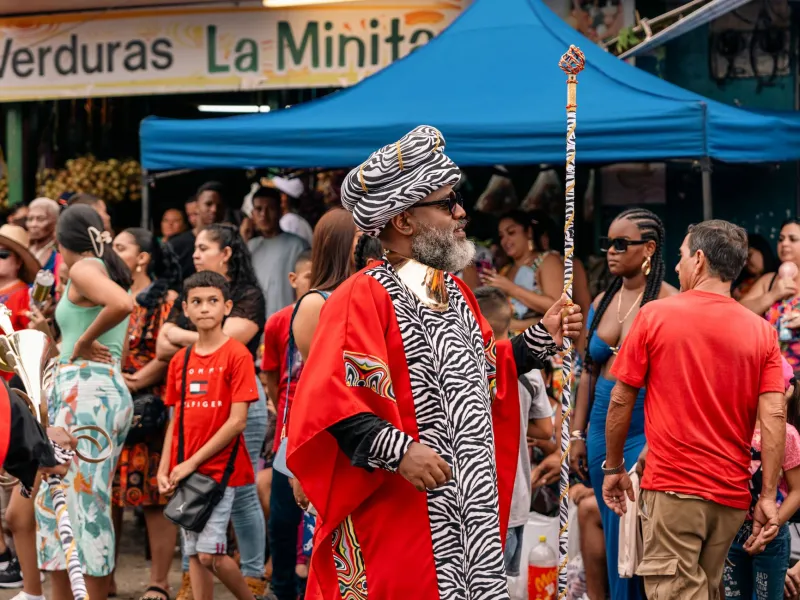
Aso Ebi ATL is not alone. From Houston's Kente Collective Market to Chicago's Continent Festival to a rotating series of Caribbean-West African fusion pop-ups in Brooklyn called Riddim & Roots, a new wave of diaspora-led cultural gatherings is reshaping how Black communities across America experience and express heritage. These aren't the sanitized, museum-adjacent "multicultural" events of the 1990s. They are louder, messier, more politically conscious, and—critically—built entirely from the inside.
What Makes These Events Different
Mainstream cultural festivals, even well-intentioned ones, tend to operate through a particular logic: secure institutional backing, apply for city permits months in advance, build a stage, book a headliner, charge $45 a ticket. The result is often an event that represents culture without actually emanating from it.
Diaspora-led festivals are running a different playbook entirely. Marcus Asante, one of the co-founders of the Continent Festival in Chicago's South Shore neighborhood, describes the difference bluntly: "We don't have a board of directors approving what counts as African. We have aunties."
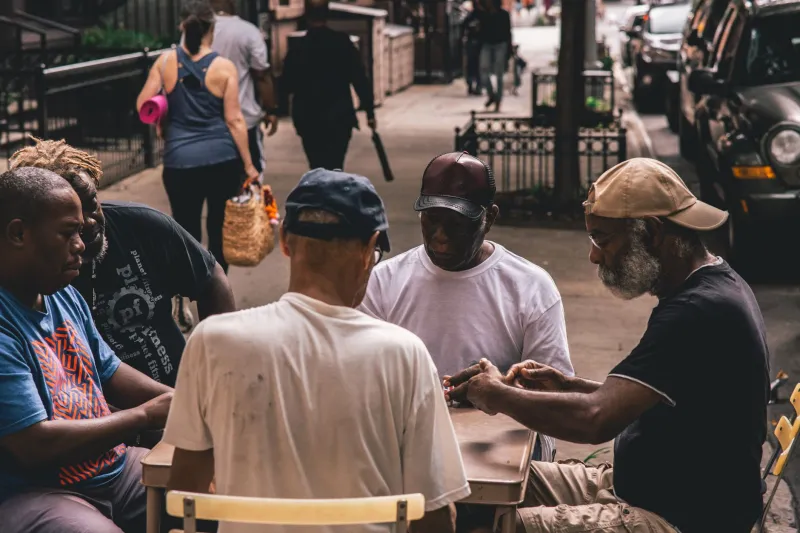
That community accountability shapes everything—from which vendors get invited (priority goes to actual diaspora entrepreneurs, not just "ethnic food" caterers) to how programming is structured. At Riddim & Roots in Brooklyn, for example, there's no separation between performer and audience. DJs set up in the middle of the crowd. Dance circles form organically. Elders and teenagers share the same square footage without any of the generational friction that usually accompanies organized cultural events.
"The stage is a colonial concept," says Yemi Adeyemi, one of Riddim & Roots' organizers, half-joking. "We're trying to get back to the circle."
Building the Infrastructure From Nothing
Running a festival without institutional support means solving logistical problems in creative ways. Okonkwo's first Aso Ebi ATL operated on a community investment model where local vendors pre-purchased their booth spaces months in advance—essentially crowdfunding the event before it existed. That model has since been refined into a tiered system where established vendors mentor newer ones and a portion of each booth fee goes into a community emergency fund.
In Houston, the Kente Collective Market—which started as a WhatsApp group of Ghanaian and Nigerian entrepreneurs looking to sell crafts—now operates a rotating festival circuit that moves between three Houston neighborhoods across the year. The collective has built its own vendor database, its own social media infrastructure, and its own informal dispute resolution process. No lawyers, no contracts. Just reputation and relationships.
"We function like a susu for events," explains Ama Frimpong, one of Kente Collective's founding members, referencing the traditional West African rotating savings model. "Everyone puts in, everyone benefits, and the trust is what holds it together."
The Politics of Space
There's something inherently political about a diaspora community deciding to build its own cultural infrastructure rather than waiting for institutions to include them. Several organizers we spoke with were explicit about this.
"Every time we show up to a city-sponsored multicultural event and our food is in a tent next to a bratwurst stand, that's a statement about where we fit in the city's imagination," says Asante. "When we run our own event, we get to decide that we're not a 'cultural booth.' We're the whole thing."
This reclamation of space has had tangible neighborhood effects. In Atlanta's south side, Aso Ebi ATL has become a de facto economic catalyst—several vendors who got their start at the festival have since opened brick-and-mortar businesses within a two-mile radius. In Brooklyn, the block where Riddim & Roots sets up has seen a measurable uptick in diaspora-owned businesses opening in the surrounding area.
What's Next
The organizers we talked to are thinking bigger—but carefully. There's a genuine tension between growth and authenticity that every successful grassroots event eventually has to navigate. Okonkwo has turned down three sponsorship offers from major beverage brands. Frimpong is cautious about applying for city grants because she's seen what strings get attached.
"The moment someone outside the community starts having a say in what belongs at the festival, it stops being our festival," she says.
For now, the movement seems content to grow laterally rather than vertically—more cities, more neighborhoods, more circles. The goal was never to become the next big mainstream festival. It was always to build something that felt like home.
And judging by the attendance numbers, the waitlists, and the aunties who show up every year with enough jollof rice to feed a small nation, they're doing exactly that.