Feeding the Algorithm Joy: How Black Diaspora Creators Are Outsmarting the Pain Economy Online
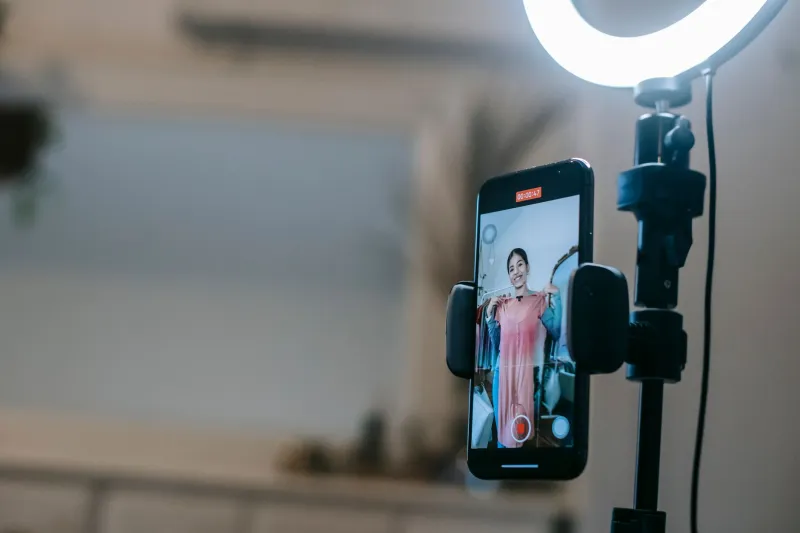
There's a quiet revolution happening in the comment sections, the analytics dashboards, and the DMs of Black diaspora creators across the country. It doesn't look like a protest. It looks like a Nigerian grandmother teaching her granddaughter how to pound yam on TikTok. It looks like a Jamaican-American family's road trip playlist going viral on Instagram Reels. It looks like a Ghanaian wedding getting three million views because the aunties danced too hard and someone's uncle lost a shoe.
It is, in every sense that matters, an act of resistance.
The Pain Tax Is Real — And Creators Are Done Paying It
For years, a quiet but suffocating expectation has followed Black content creators online: if you want attention, bring suffering. The algorithm, the think pieces, the media boosting mechanisms — all of it seemed calibrated to amplify Black pain as a kind of cultural currency. Protest footage. Grief posts. Trauma confessionals. Creators who leaned into crisis storytelling watched their numbers spike. Those who posted celebrations, ordinary moments, or cultural pride often found themselves shadowbanned into digital silence.
"I noticed early on that my most raw, painful posts would get shared by everyone — including people who never otherwise engaged with my content," says Adaeze, a Nigerian-American lifestyle creator based in Atlanta with over 200,000 Instagram followers. "But when I posted my mom's birthday party, the jollof, the dancing, the pure happiness — the reach tanked. I had to ask myself: who is this platform actually built for?"
That question has become a north star for a growing cohort of diaspora creators who are now approaching their platforms with the analytical precision of a media strategist and the intentionality of a griot.
Reading the Code, Rewriting the Story
Understanding algorithmic behavior used to be the domain of marketing professionals and tech insiders. Now, it's kitchen table knowledge for diaspora creators who've decided they're not going to let a Silicon Valley formula dictate the emotional range of their communities' stories.
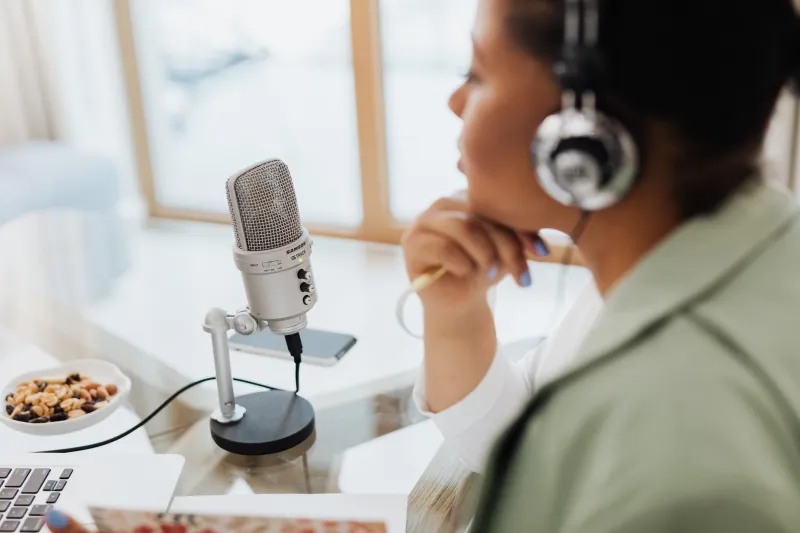
Creators like Marcus Osei, a Ghanaian-American YouTuber based in Houston, spend serious time studying their analytics — not just to chase views, but to reverse-engineer what joy-forward content actually needs to succeed. "I track watch time, I track shares versus saves, I track which thumbnails stop the scroll," he explains. "What I found is that authentic cultural celebration has incredible watch time — people stay. The algorithm rewards that if you know how to frame it. The issue is most of us were never told we could optimize for something other than struggle."
Osei's channel, which blends Ghanaian culture, diaspora humor, and everyday family life, has grown steadily by prioritizing what he calls "proof of life" content — videos that simply show Black diaspora families living fully. "We exist beyond the news cycle. I want my channel to be evidence of that."
The Strategy Behind the Smile
This isn't naivety. These creators aren't pretending the world is perfect or that injustice doesn't exist. They're making a deliberate editorial choice about where to direct their creative energy — and they're backing it with data.
Instagram strategist and Trinidadian-American content consultant Renée Baptiste has built an entire consulting practice around helping diaspora creators grow without defaulting to trauma-bait. Her advice is blunt: "Hooks matter, consistency matters, and community signals matter. Joy content can absolutely win on these platforms — it just requires more craft because the algorithm isn't handing you a shortcut the way it does with outrage or grief."
Baptiste teaches her clients to lean into what she calls "cultural specificity" — the idea that hyper-detailed, community-rooted content performs better than broad, generalized Black content. A video about the specific chaos of a Caribbean family Christmas hits different than a generic holiday post. A TikTok about the particular anxiety of being the first in your family to navigate a US college application process finds its audience and keeps it.
"Specificity is searchability," she says. "And specificity is also dignity. When you show the details of your actual life, you're saying: this is worth seeing. This matters."
When the Platform Pushes Back
Not everything goes smoothly. Several creators interviewed for this piece described frustrating experiences with content moderation — videos celebrating African fashion flagged for unclear reasons, posts featuring traditional music hit with copyright claims for songs that have no Western rights holder, community guidelines enforced inconsistently across accounts.
"I've had videos of my kids doing a traditional Yoruba dance get restricted," says Funmi Adeyemi, a Chicago-based mother and TikTok creator with a focus on raising diaspora kids with cultural pride. "Meanwhile I can scroll for ten minutes and find content that is genuinely harmful, totally untouched. It makes you wonder what the platform considers 'normal' and what it considers 'other.'"
Adeyemi's response has been to document everything and build her email list aggressively. "I don't fully trust any platform with my community. I'm here because this is where people are right now. But I'm always building something the algorithm can't touch."
This off-platform thinking — newsletters, Discord servers, community apps, Patreon — is increasingly common among diaspora creators who've learned not to build their entire house on rented land.
Joy as Infrastructure
What's emerging from all of this isn't just a content trend. It's something closer to a philosophy — a collective decision by diaspora creators that Black joy is not a luxury or a distraction from serious issues, but essential infrastructure for community health.
"Our grandparents didn't survive everything they survived so we could spend our entire digital lives performing our pain for other people's consumption," says Marcus Osei. "They also danced. They also cooked. They also celebrated. That's part of the inheritance too."
There's something quietly radical about an algorithm trained on engagement signals encountering a community that has decided, collectively, to flood the zone with laughter, music, food, and pride. It's not that these creators are ignoring the platform's logic — they're learning it fluently, then using it to tell a different story than the one the platform assumed they'd tell.
The Ebon Agora — the gathering place — has always been where the diaspora comes to share more than grief. It's where the music plays, where the food gets passed around, where someone's auntie says something that makes everyone lose it completely. The digital agora is just the newest version of that space. And the creators who are building it intentionally, joyfully, and strategically are deciding that the algorithm doesn't get to be the elder here.
They do.