Circle Up: The Diaspora Women Turning Peer Support Into a Healing Revolution
There's a particular kind of exhaustion that doesn't show up on any clinical intake form. It lives in the body of a Nigerian-American woman who spent her lunch break explaining to HR why a comment was actually racist. It settles into the shoulders of a Ghanaian daughter in Atlanta who is simultaneously grieving her grandmother in Accra and showing up to her corporate job like everything is fine. It's the weight that Black diaspora women have been carrying — largely without culturally literate support — for generations.
But something is shifting. Quietly, persistently, and with the kind of organizational energy that Black women have always brought to community-building, a new infrastructure of care is emerging. And it doesn't look like a waiting room.
When the Therapist's Couch Doesn't Fit
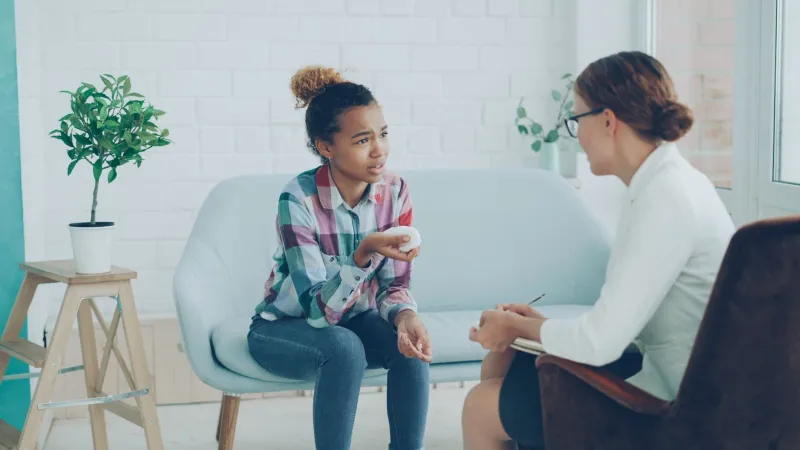
The mental health care gap for Black Americans is well-documented. According to the American Psychiatric Association, only about one in three Black adults who need mental health care actually receives it. For Black diaspora women specifically — who often navigate layered identities involving immigration, cultural expectation, and racial stress in predominantly white spaces — the barriers go even deeper than access.
Finding a therapist who understands what it means to carry the emotional labor of being "the first" in your family to do anything. Who gets the guilt embedded in leaving your home country. Who doesn't pathologize the way you grieve or celebrate or express anger. That's not just hard — for many women, it's felt impossible.
So they built their own tables.
The Architecture of a Healing Circle
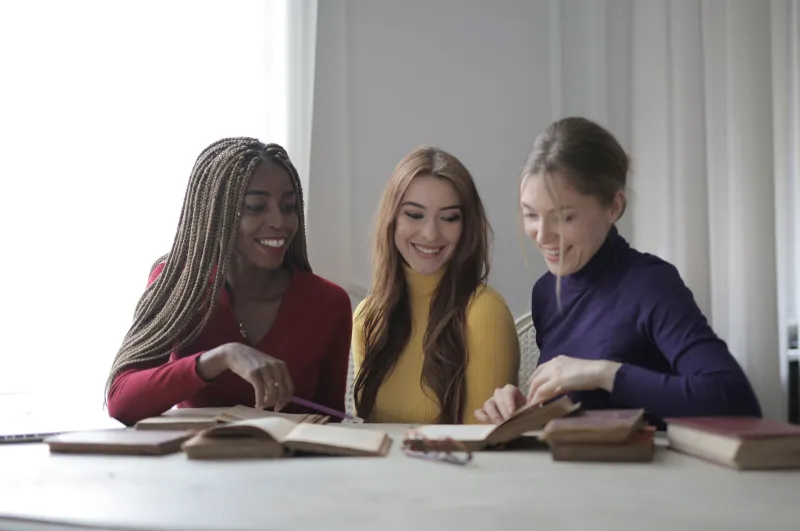
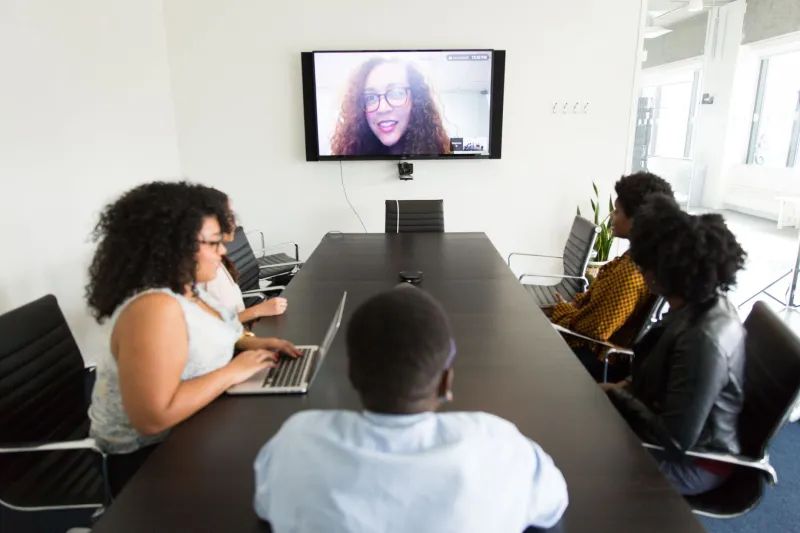
These digital collectives take a lot of different forms. Some operate as private Facebook or WhatsApp groups with trained peer facilitators who guide weekly emotional check-ins. Others are membership-based platforms on Circle or Mighty Networks, where women pay a monthly fee for access to structured programming — think breathwork sessions, ancestral healing workshops, and accountability pods that meet on video every two weeks.
What they share is a design philosophy rooted in Ubuntu — the Southern African concept often translated as "I am because we are." The individual's healing is understood as inseparable from the collective's wellbeing. That's not a metaphor. It's the actual operating model.
Facilitators — who are often trained in areas like somatic therapy, trauma-informed coaching, or traditional healing practices, but are not always licensed clinicians — create containers where women can process grief, set boundaries, navigate family dynamics across continents, and simply be witnessed without having to translate themselves first.
"There's no explaining why your mom sent you a voice note at 2 a.m. about your cousin's wedding when you're in the middle of a depressive episode," said one facilitator based in Houston who runs a collective for West African women in the US. "Everyone in the group already knows. That shared context is healing in itself."
Old Wisdom, New Infrastructure
What's striking about these collectives is how deliberately they draw from pre-colonial communal care traditions. Many facilitators explicitly frame their work as a reclamation — pulling forward practices that were disrupted by colonization and diaspora displacement and translating them into formats that work for a woman who's also managing a full-time job, a time zone difference, and a DM inbox.
The concept of the "village" — a communal network of women who collectively raised children, processed loss, celebrated transitions, and held space for one another — shows up again and again as both inspiration and aspiration. Some collectives incorporate libations or ancestral acknowledgment at the start of sessions. Others weave in storytelling practices drawn from the griot tradition, inviting members to narrate their own experiences as a form of healing rather than diagnosis.
It's not therapy. Facilitators are usually clear about that distinction. But it is therapeutic — and for many women, it's the thing that makes formal therapy, when they do access it, actually stick.
The Business of Community Care
Here's the part that doesn't get talked about enough: these spaces are also generating income for the women who build and run them. And that's not incidental — it's intentional.
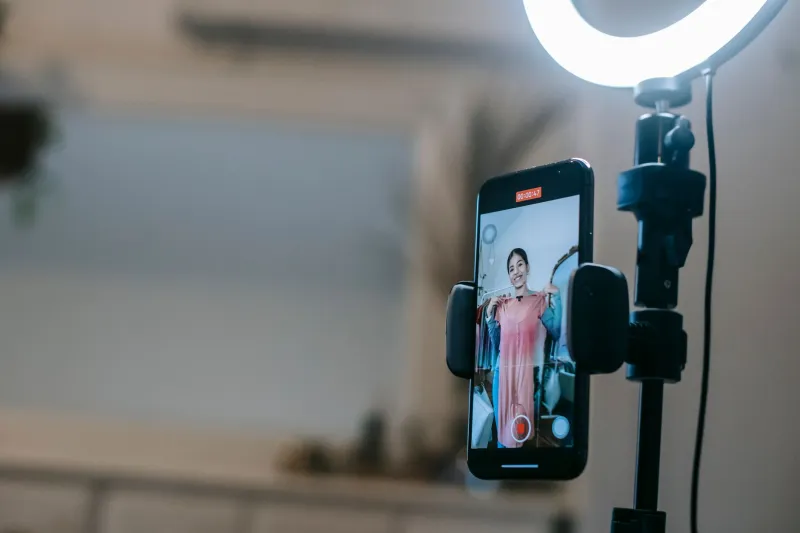
Many facilitators have structured their collectives as small businesses, offering tiered membership models, one-on-one coaching packages, seasonal intensives, and digital products like guided journals or recorded workshop series. Monthly membership fees typically range from $25 to $150, depending on the level of access and programming offered. Some facilitators have grown their collectives to several hundred members, creating revenue that allows them to do this work full-time.
The significance of that can't be overstated. Black women have historically been the backbone of community caregiving — often for free, often at personal cost. The deliberate decision to monetize this labor, to build sustainable structures around it, is itself a form of healing and resistance.
Some facilitators have also created affiliate or certification programs, training other women to facilitate circles within their own communities. It's a model that multiplies both the care and the economic opportunity simultaneously.
Not a Replacement — An Expansion
It's worth being clear about what these collectives are not. They're not anti-therapy. Most facilitators actively encourage members to pursue clinical support when it's needed and appropriate. What they're pushing back against is the idea that a 45-minute session with a clinician who may or may not share any cultural reference points is the only legitimate form of emotional support available to Black women.
The mental wellness ecosystem, they argue, should be as layered and diverse as the communities it serves. A healing circle doesn't replace a psychiatrist. But it might be the reason a woman finally makes the appointment. It might be the place she processes what happened in the session afterward. It might be the community that holds her accountable to the boundaries she set in therapy but keeps breaking in real life.
In a healthcare landscape that has chronically underserved Black diaspora communities, these women aren't waiting for the system to catch up. They're engineering something better on the side — and inviting each other in.
The Agora Reimagined
The word "agora" originally described a gathering place — a central public space where people came together to exchange ideas, settle disputes, and build community. What these diaspora women are creating online is exactly that: a new kind of agora, one built not in stone but in shared language, shared memory, and shared care.
It's happening in Slack channels and Signal threads. In Zoom rooms where someone always shows up five minutes late from another time zone. In voice notes sent at midnight and celebrated in the morning. In the simple, radical act of asking one another: How are you, really?
And then actually waiting for the answer.