Dressed in Defiance: The Diaspora Designers Stitching African Identity Into Every Seam
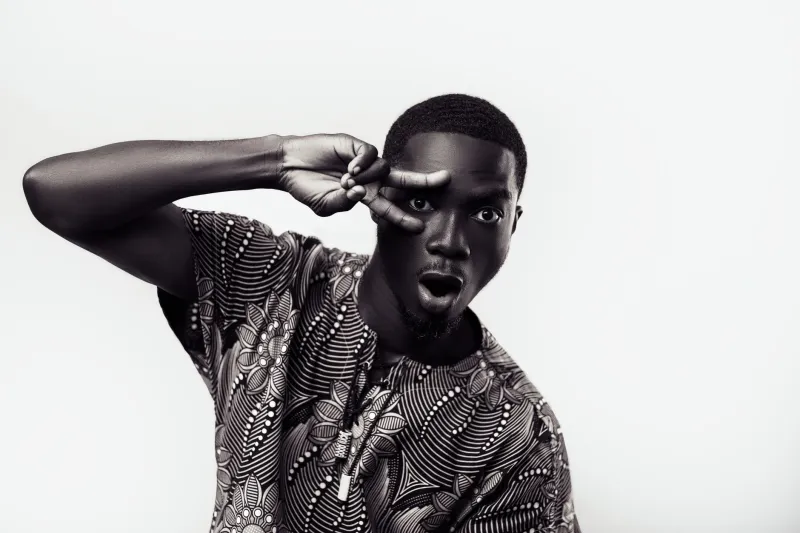
There's a particular kind of exhaustion that comes with watching fashion week cycle through the same tired "African-inspired" collections — kente-adjacent prints slapped on silhouettes that were clearly designed with someone else in mind. For a generation of Black diaspora designers based across Atlanta, Brooklyn, Houston, and beyond, that exhaustion stopped being a feeling and started becoming fuel.
They're not waiting for Vogue to discover them. They're not pitching to buyers at Neiman Marcus. They're building something different — labels rooted in lived experience, ancestral aesthetics, and a politics of visibility that mainstream fashion has historically refused to offer.
The Problem With "Inspiration"
Let's be honest about what's been happening in fashion for decades. Major European houses have consistently mined African textile traditions, body aesthetics, and ceremonial dress without credit, compensation, or cultural context. The result? African design gets laundered into "exotic" trend cycles while actual African and diaspora designers remain underfunded and underplatformed.
Designer Adaeze Okonkwo, who launched her Lagos-meets-Harlem label Ìgbà out of her Bronx apartment in 2021, puts it plainly: "They take the cloth but not the story. They take the silhouette but not the body it was made for. What we're doing is putting the story back in."
Ìgbà's collections draw explicitly from Igbo ceremonial dress — the structured wrapper skirts, the layered beadwork, the deliberate use of white and indigo — but rebuilt for the contemporary Black American woman who might be third-generation Nigerian or might have no direct connection to West Africa at all. "The diaspora is wide," Okonkwo says. "You don't have to know the specific tradition to feel it in your body when you put it on."
Lookbooks as Political Documents
One of the most striking shifts in this design movement is how intentional the visual language has become. These aren't just clothes — they're arguments. And the lookbooks these designers produce are, frankly, some of the most compelling editorial content coming out of fashion right now.
Take Sankofa Studio, a genderless label run by Kwame Asante-Brown out of Atlanta. His Spring 2024 lookbook was shot entirely at a former plantation site in Georgia — a deliberate, uncomfortable reclamation. Models in hand-dyed, kente-woven pieces moved through spaces that were designed to erase their ancestors. The images went viral almost immediately, not because they were provocative for provocation's sake, but because the tension was real and the beauty was undeniable.
"I wanted to put Black joy and Black ancestry in spaces that tried to deny both," Asante-Brown explains. "Fashion can do that. It can hold that kind of weight when it's made with intention."
This is what separates the work from aesthetic exercise. The politics aren't a marketing add-on — they're structural. They're in the sourcing decisions, the size ranges, the models chosen, the photographers hired, and the communities the designers are actively investing back into.
Building Without the Gatekeepers
Here's the thing about the traditional fashion industry: it was never built with these designers in mind. The runway-to-retail pipeline, the editorial relationships, the investor networks — all of it was constructed around a very specific vision of who fashion was for and who got to make it.
Social media didn't just give diaspora designers a marketing channel. It gave them a direct line to a community that was already starving for what they were making.
Designer Fatou Diallo launched her Senegalese-American label Thiossane — named after the Wolof word for cultural heritage — on Instagram in 2020 with a single drop of twelve pieces. She sold out in four hours. "I hadn't pitched a single magazine. I hadn't done a trade show. I just put the work in front of people who understood it," she recalls.
Diallo now runs a waitlist-based business model with a small but intensely loyal customer base across the US and UK. She's turned down two acquisition offers. "The moment I take that money from the wrong people, I lose control of the story. And the story is everything."
This kind of strategic independence is a recurring theme. Many of these designers have watched what happened to Black-owned beauty brands — built up, acquired, and quietly diluted — and they're applying those lessons to fashion. Control over production. Control over distribution. Control over the narrative.
The Aesthetic Itself Is the Argument
What does decolonized fashion actually look like? It looks like a lot of things, because the African diaspora is not a monolith.
It looks like Okonkwo's Ìgbà wraps designed for curves that European sizing charts have always treated as aberrations. It looks like Asante-Brown's Sankofa Studio pieces that refuse the gender binary and pull from traditions where cloth was never gendered the way Western fashion insists it must be. It looks like Diallo's Thiossane dresses that use boubou silhouettes as a starting point and push them somewhere entirely new.
What these aesthetics share is a refusal to apologize. There's no hedging, no softening for a mainstream audience, no "accessible" translation that strips out the cultural specificity. The specificity is the point.
As Asante-Brown says: "When I'm specific about where I come from, that's when people connect most deeply — not just Black people, not just Ghanaian people, but anyone who's ever had their culture treated like a costume."
Where It Goes From Here
The momentum is real. Platforms like The Folklore have been doing important work connecting African and diaspora designers with global retail buyers on their own terms. Black fashion weeks in cities like Atlanta and DC are building infrastructure that doesn't require designers to shrink themselves for a Eurocentric gaze. And a generation of Black consumers who grew up watching their culture get extracted is increasingly choosing to spend money in ways that reflect their values.
None of this means the fight is over. Funding gaps are still enormous. Manufacturing access is still inequitable. And the fashion industry's diversity commitments, made loudly in 2020, have quietly eroded in the years since.
But the designers building in this space don't seem particularly interested in waiting for the industry to catch up. They're constructing something parallel — an ecosystem with its own aesthetics, its own economics, and its own definition of what it means to be dressed beautifully and freely.
That's not inspiration. That's a whole new wardrobe.