Mic Check, Ancestors: How Black Diaspora Podcasters Are Carrying the Griot Tradition Into Your Earbuds
There's something almost sacred about the way a great podcast hits. You're on the train, earbuds in, and suddenly someone is talking directly to you — your history, your humor, your specific kind of exhaustion after navigating a world that wasn't built with you in mind. For millions of Black listeners across the diaspora, that feeling isn't just comfort. It's recognition.
Audio has quietly become one of the most powerful cultural technologies the diaspora has. No camera crew. No network gatekeeper deciding your story isn't "broad enough." Just a voice, a mic, and a community ready to listen. And the podcasters building inside that space aren't just entertainers — they're functioning as the modern version of something ancient.
The griot tradition — that West African practice of oral historians who carried the community's memory in their mouths — didn't disappear when the Middle Passage scattered us. It adapted. It moved through church pulpits and barbershop debates, through spoken word stages and radio waves. Now it lives in your podcast app, dropping new episodes every Tuesday.
Why Audio Hits Different for the Diaspora
There's a practical reason podcasting exploded in Black communities, and then there's the real reason.
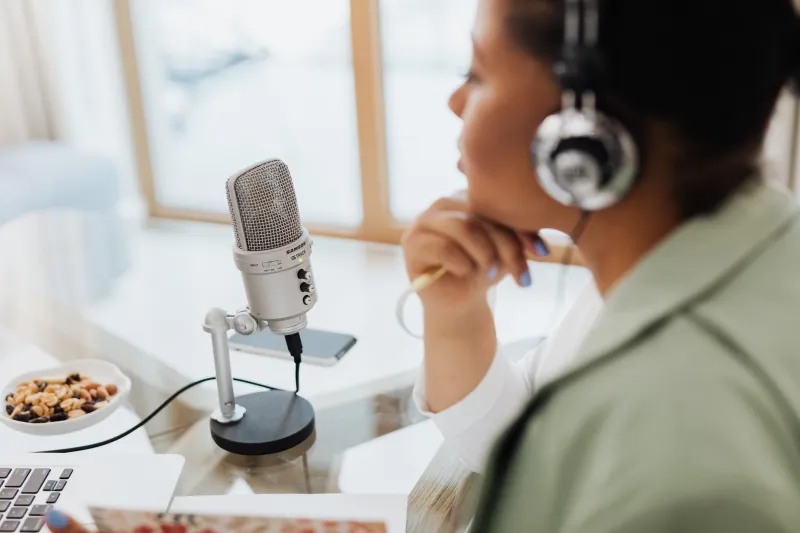
Practically speaking, the barrier to entry is low. A decent USB microphone, some free editing software, and a hosting platform account can get you from zero to published in a weekend. For diaspora creators who've watched their stories get flattened, exoticized, or outright ignored by mainstream media, that kind of creative sovereignty is genuinely radical.
But the deeper pull is intimacy. Audio creates a closeness that video often can't. When you hear someone laugh, pause, search for the right word in two languages at once — you feel like you know them. For diaspora listeners spread across cities far from their homelands, that simulated closeness fills a real gap. It's community infrastructure disguised as entertainment.
EdisonResearch's 2023 Infinite Dial report found that Black Americans are disproportionately high podcast consumers compared to the general US population. The audience is there. The hunger is real. And the creators who've figured that out are building something that looks a lot less like media and a lot more like movement.
The Historians in Headphones
Take a show like Afropean Dialogues — the kind of podcast that makes you feel like you're sitting in on a graduate seminar and a family dinner at the same time. Hosted by diaspora scholars and cultural commentators, history podcasts in this lane aren't doing the dry textbook thing. They're asking questions like: What did the Haitian Revolution mean for enslaved people in New Orleans? How does the story of the Moors in Spain connect to how we understand Blackness in Europe today?
Podcasters working in this space understand that for diaspora audiences, history isn't academic — it's personal. Knowing where you come from is a form of resistance in a country that spent centuries trying to make you forget.
Shows like Soulful Chronicles and The Black Curriculum Podcast have built loyal listener bases not through viral moments but through consistency and depth. Their communities don't just download — they discuss, share, and organize around the content. That's griot energy. That's how oral tradition actually functions.
Healing Out Loud
If history podcasts are feeding the mind, wellness-focused diaspora shows are doing something just as urgent: giving people permission to fall apart and put themselves back together.
Mental health in Black communities has long carried a stigma rooted partly in survival logic — you don't have the luxury of breaking down when breaking down could cost you everything. But diaspora podcasters are cracking that wall open episode by episode.
Shows helmed by Black therapists, life coaches, and community healers are creating audio spaces where listeners can hear someone who looks like them (or at least sounds like them) talk openly about anxiety, intergenerational trauma, the specific exhaustion of code-switching, and what it means to grieve a homeland you've never actually lived in. The response has been overwhelming.
Podcasters like those behind Therapy for Black Girls — one of the most downloaded mental health podcasts in the country — proved early that there was massive appetite for this content. That opened the door for a whole ecosystem of more niche, community-specific shows tackling everything from navigating the American healthcare system as a first-generation immigrant to processing grief through an Afro-Caribbean spiritual lens.
Laughing to Stay Sane
Not everything has to be heavy, though. Some of the most culturally sharp diaspora podcasting happening right now is comedy — and it's doing the kind of cultural work that only humor can.
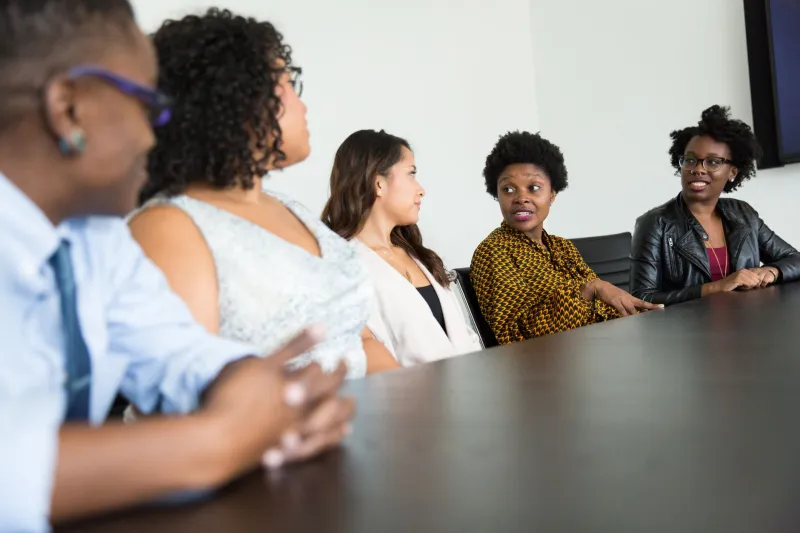
Comedy podcasts rooted in diaspora experience have a particular superpower: they can say the unsayable. The frustration of being asked where you're "really" from. The absurdity of watching your home country's cuisine get rebranded as trendy on menus that charge thirty dollars for jollof rice. The very specific chaos of being the only Black person in a corporate meeting while also being the unofficial spokesperson for your entire continent.
Shows like Two Dots Connect and various rotating friend-group formats have built cult followings by refusing to perform for a non-Black gaze. The jokes land hardest for people who already get it — and that's exactly the point. You're not explaining yourself. You're just being, loudly and hilariously, with other people who understand the reference.
Spirit Work in Stereo
Then there's the spiritual lane — arguably the most intimate corner of diaspora podcasting. Shows exploring Ifá, Vodou, ancestral veneration, and the intersections of Christianity with indigenous African spiritual practices are drawing listeners who've spent years feeling like their beliefs didn't fit anywhere in mainstream American religious discourse.
For many in the diaspora, spirituality is inseparable from identity. The podcasters working in this space — often practitioners themselves — are creating something that functions almost like congregational community. Listeners tune in weekly not just for information but for connection to something larger. Comments sections on these shows read like prayer circles.
What's particularly striking is how these podcasters navigate the tension between accessibility and depth. They're introducing listeners who might be completely new to practices like Candomblé or Akan spiritual traditions without flattening or commercializing them. That's a genuinely difficult balance to strike — and the best of them do it with real reverence.
Building the Business Without Selling the Soul
Here's the part that matters as much as the culture: these podcasters are building sustainable economic models outside of traditional media structures. Patreon communities, live event series, merchandise drops, digital courses, brand partnerships with Black-owned businesses — the monetization stack looks nothing like what a radio network would recognize.
And that independence is the whole point. When you don't need a network's approval to exist, you don't need to compromise what you're saying to keep the lights on. The griot wasn't beholden to sponsors who didn't share the community's values. Neither are these podcasters.
The diaspora has always found ways to build community infrastructure in the margins of systems that weren't designed for it. The podcast mic is just the latest tool. And the stories being told into it — messy, funny, sacred, historically precise, deeply human — are the ones that will outlast every algorithm.
The ancestors would approve.